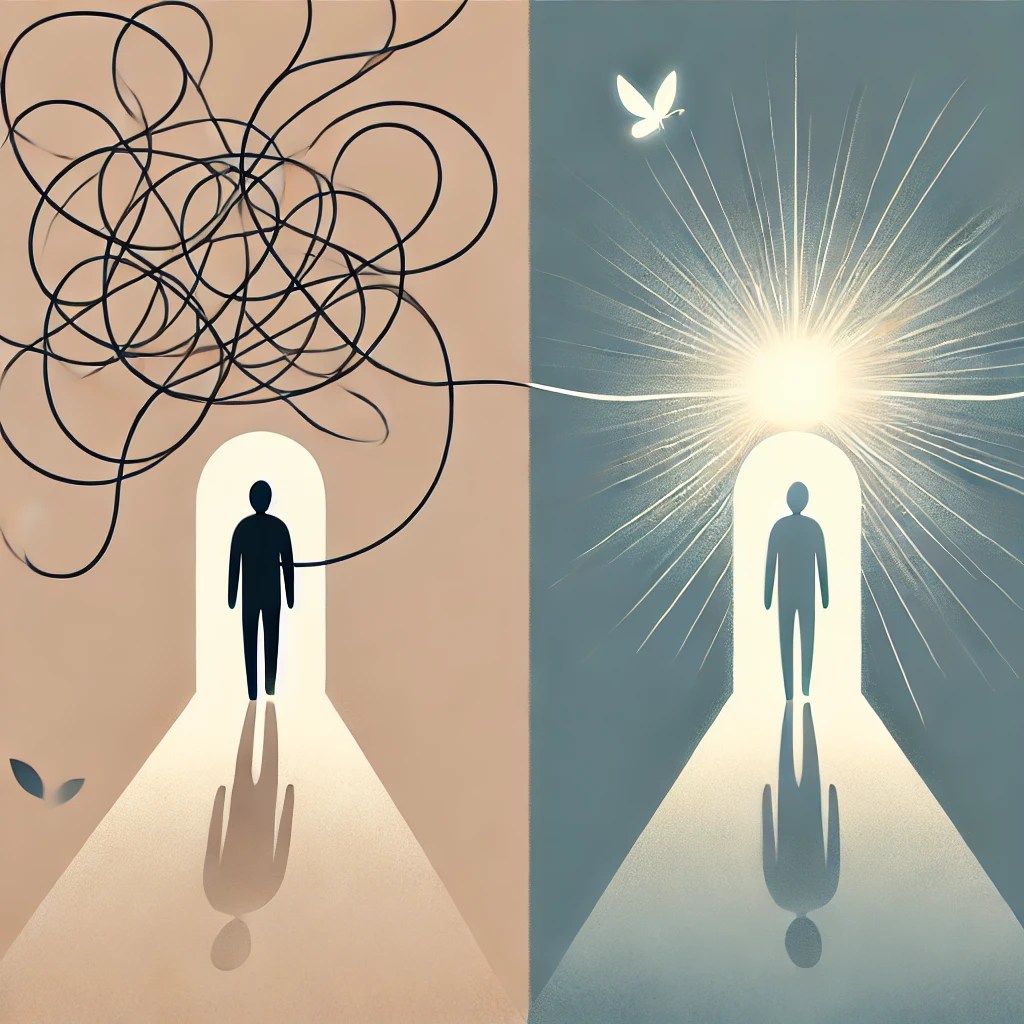
In a world brimming with diverse beliefs and ideologies, the quality of our perspectives often determines not only our personal growth but also our ability to contribute meaningfully to society. Lower perspectives, characterized by emotional needs, tribalism, and resistance to change, stand in stark contrast to higher perspectives, which prioritize truth-seeking, empathy, and intellectual integrity. Understanding the difference between these two can help us navigate complexity, foster personal growth, and build a more inclusive world.
The Hallmarks of Lower Perspectives
Lower perspectives are often driven by emotional and survival needs. They cater to our instinctual desires for belonging, identity, and security, but at a cost. Here’s what defines them:
- Emotional Attachment: Lower perspectives provide a false sense of identity and belonging. Individuals cling to these ideologies to fill emotional voids, often leading to hostility toward those who think differently. This emotional dependency can be dangerous, as it blinds people to alternative viewpoints and fosters division.
- Lack of Self-Awareness: Many individuals operating from lower perspectives are on autopilot. They don’t question their beliefs or motives, which stifles personal growth. Without introspection, they remain stagnant, unable to see new possibilities or recognize their own biases.
- Double Standards: Intellectual dishonesty is a hallmark of lower perspectives. People often apply different standards to themselves than they do to others, revealing a desire for control rather than a commitment to truth. This inconsistency undermines credibility and perpetuates harmful behaviors.
- Tribalism and Ethnocentrism: Lower perspectives thrive on an “us vs. them” mentality. Extreme ingroup bias and ethnocentrism create barriers to understanding and empathy, fostering societal division and conflict.
- Resistance to Change: Lower perspectives reject new information and insights. This rigidity prevents growth and perpetuates outdated or harmful beliefs. The inability to adapt or acknowledge mistakes keeps individuals and societies trapped in cycles of ignorance.
The Power of Higher Perspectives
Higher perspectives, on the other hand, are rooted in intellectual integrity, empathy, and a commitment to truth. They represent a shift from emotional reactivity to thoughtful engagement with the world. Here’s what sets them apart:
- Truth-Seeking: Higher perspectives prioritize the pursuit of truth over emotional comfort. Individuals with these perspectives are willing to question their beliefs, challenge assumptions, and embrace new information, even when it’s uncomfortable.
- Empathy and Open-Mindedness: Higher perspectives foster empathy by encouraging individuals to see the world through others’ eyes. This openness reduces tribalism and promotes understanding across cultural, ideological, and social divides.
- Intellectual Honesty: Consistency in beliefs and actions is a key feature of higher perspectives. Individuals strive to apply the same standards to themselves as they do to others, demonstrating a genuine commitment to fairness and truth.
- Adaptability: Higher perspectives embrace change and growth. Individuals are willing to acknowledge mistakes, learn from them, and adapt their beliefs accordingly. This flexibility is essential for personal and societal progress.
- Navigating Complexity: Higher perspectives recognize the complexity of the world and the limitations of human understanding. Instead of relying on simplistic answers, individuals seek to understand nuance and context, leading to more informed and thoughtful decisions.
The Path to Cognitive Development
Moving from lower to higher perspectives is not easy. It requires self-awareness, courage, and a willingness to confront uncomfortable truths. Here’s how we can begin this journey:
- Question Your Beliefs: Start by examining your own beliefs and motives. Ask yourself why you hold certain views and whether they are based on evidence or emotional needs.
- Embrace Intellectual Humility: Recognize that you don’t have all the answers. Be open to new information and willing to change your mind when presented with compelling evidence.
- Cultivate Empathy: Make an effort to understand perspectives different from your own. Engage in conversations with people who think differently, and listen without judgment.
- Challenge Tribalism: Resist the urge to divide the world into “us vs. them.” Focus on shared humanity and common goals rather than differences.
- Commit to Growth: Personal growth is a lifelong journey. Continuously seek to expand your understanding, refine your beliefs, and contribute positively to society.
Why It Matters
The shift from lower to higher perspectives is not just an individual endeavor—it has profound implications for society. Lower perspectives perpetuate division, conflict, and stagnation, while higher perspectives foster empathy, collaboration, and progress. By elevating our own perspectives, we can contribute to a more inclusive, understanding, and thriving world.
Final Thought
In a world full of noise, the simplest voice is the one that gets heard. By cutting through the clutter of emotional needs, tribalism, and intellectual dishonesty, we can embrace higher perspectives that prioritize truth, empathy, and growth. The journey isn’t easy, but the payoff—a more enlightened self and a better world—is worth it. Let’s commit to elevating our perspectives, one thought at a time.



 alter your perspective
Leave a comment