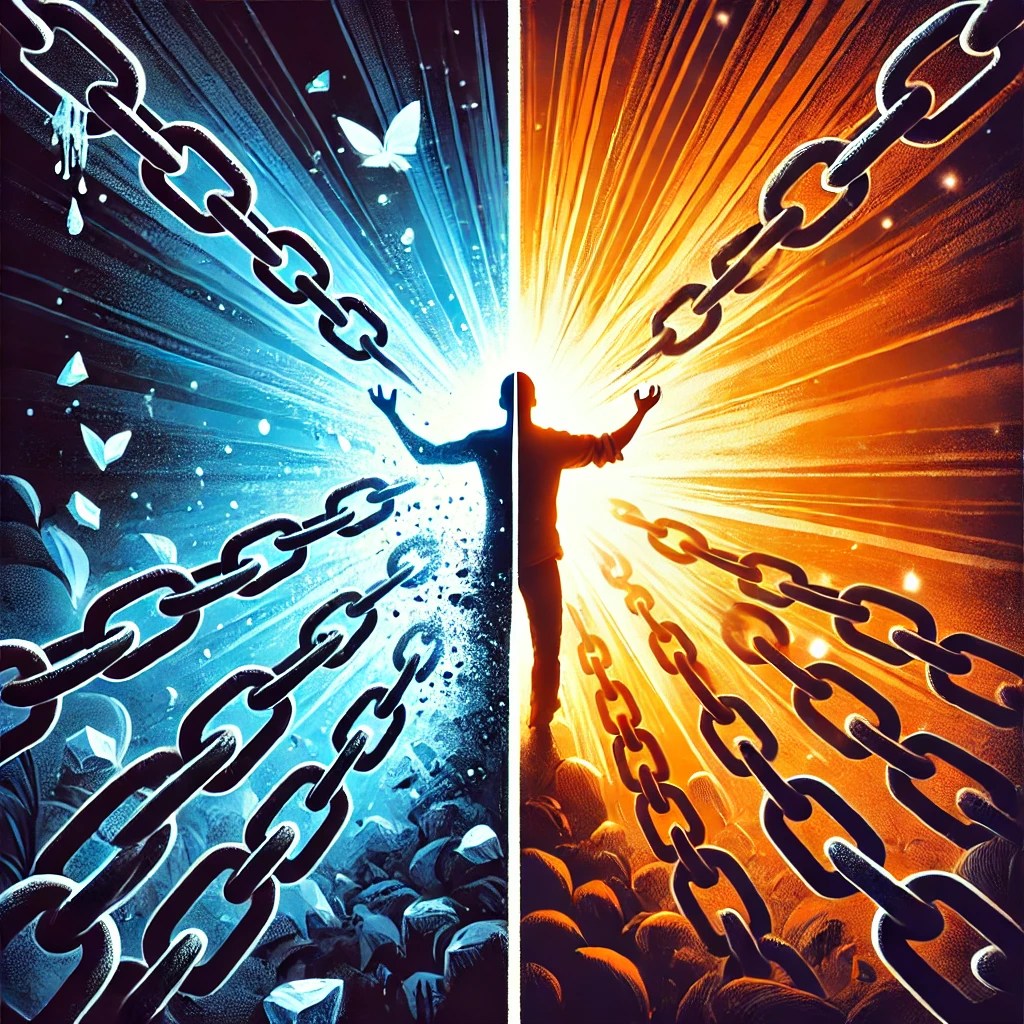
Addictions don’t always come in the form of alcohol, drugs, or gambling. Some of the most damaging habits are the ones we don’t even recognize as addictions—binge-watching TV, scrolling endlessly on social media, emotional eating, or even constantly seeking approval.
These behaviors may seem harmless, but they serve as emotional crutches, keeping us stuck in cycles of distraction and avoidance. They prevent us from facing deeper issues and living up to our full potential.
If you’ve ever felt like you’re wasting time on things that don’t serve you—or struggling to break free from behaviors that drain your energy—this is for you.
What Are Addictions Really About?
Most people think of addiction as a dependency on harmful substances. But at its core, addiction is any repetitive behavior that provides temporary relief but leads to long-term harm.
It’s not just about what you’re addicted to—it’s about why you’re doing it.
🔹 Are you avoiding discomfort?
🔹 Are you numbing yourself to stress or boredom?
🔹 Are you filling a void instead of confronting real challenges?
Every addiction—whether it’s scrolling through social media, playing video games for hours, or indulging in negative thinking—acts as a band-aid for a deeper issue. Recognizing this is the first step toward breaking free.
Hard vs. Soft Addictions: Why Both Matter
There’s a clear distinction between hard and soft addictions:
🔴 Hard Addictions – Drugs, alcohol, gambling—habits with severe consequences that require urgent intervention.
🟡 Soft Addictions – Overeating, TV binging, social media addiction—subtle, seemingly harmless habits that slowly drain your time, energy, and potential.
Soft addictions are especially dangerous because they disguise themselves as normal. Society encourages them. Most people don’t even realize how much time and energy they’re losing.
Think about it: How many hours a week do you spend passively consuming content instead of working on your goals?
The Hidden Cost of Addictions
Every moment spent in an addictive cycle is a moment lost—time that could have been invested in personal growth, relationships, and meaningful work.
📉 Time & Energy Drain – How often do you say you “don’t have time” for your goals but spend hours watching Netflix or scrolling on your phone?
💔 Avoidance of Deeper Issues – Addictions are an escape from uncomfortable emotions—boredom, stress, loneliness. But avoiding them doesn’t make them disappear.
😞 The Guilt Trap – Most addictions lead to guilt, creating a self-defeating cycle: distraction → regret → more distraction.
If you recognize yourself in any of these patterns, it’s time to take control.
How to Break Free from Addictions
Breaking an addiction isn’t about just stopping a bad habit. That rarely works long-term. Instead, you need a replacement strategy—shifting your focus toward activities that genuinely fulfill you.
1. Identify the Root Cause
Ask yourself: What problem am I avoiding by engaging in this habit?
- Is TV helping you escape boredom?
- Is food comforting you emotionally?
- Is social media distracting you from self-doubt?
Once you understand why you do it, you can start addressing the real issue instead of masking it with distractions.
2. Reduce Exposure & Triggers
Your environment plays a major role in addiction. If junk food is in your kitchen, you’ll eat it. If your phone is within reach, you’ll check it.
🔹 Remove temptations – Delete apps, turn off notifications, create tech-free zones.
🔹 Set limits – Allow yourself controlled usage instead of unlimited access.
🔹 Replace the habit – Instead of reaching for your phone, pick up a book. Instead of watching TV, go for a walk.
3. Shift Focus to Growth-Oriented Activities
Eliminating addiction isn’t just about stopping something—it’s about replacing it with something better.
🌱 Replace Netflix binges with learning a new skill
🏋️ Replace emotional eating with exercise or meditation
📖 Replace mindless scrolling with reading or journaling
Fill the void with activities that contribute to your growth, and over time, your cravings for distractions will weaken.
4. Develop a Long-Term Vision
Short-term pleasure is the enemy of long-term fulfillment. If you have a compelling vision for your life, distractions lose their grip.
Ask yourself: What kind of person do I want to become?
- Someone who spends years consuming content or someone who creates?
- Someone who numbs emotions or someone who builds emotional resilience?
- Someone who lives reactively or someone who takes control of their destiny?
Your future self depends on the choices you make today.
Final Thought: Own Your Time, Own Your Life
If you’re serious about personal growth, you must break free from the habits that hold you back. Addictions—big or small—steal your energy, focus, and time. But the good news? You can take back control.
Start by identifying one habit that isn’t serving you. Reduce your exposure. Replace it with something meaningful. And most importantly, stay committed to the bigger vision of who you want to be.
Key Takeaways
✅ Addictions are distractions from deeper issues – Identify what you’re avoiding.
✅ Soft addictions are silent time thieves – TV, social media, and mindless browsing keep you stuck.
✅ Replace, don’t just remove – Fill the void with constructive habits.
✅ Create a long-term vision – When your future is compelling, distractions lose their appeal.
✅ Your choices today shape your future – Start taking control, one habit at a time.
🚀 Challenge: Identify ONE habit that’s holding you back and replace it with something that aligns with your goals. Do this for a week and see how much better you feel.
You have the power to reclaim your time, your focus, and your life. The only question is: Will you?



 alter your perspective
Leave a comment