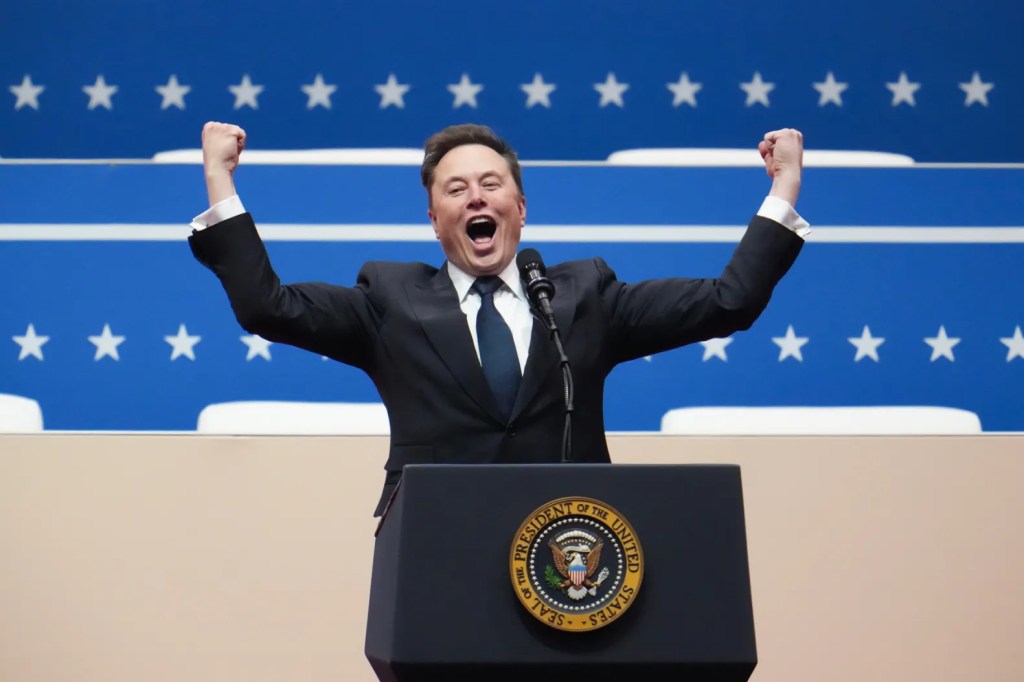
Elon Musk is no stranger to controversy, but recent scrutiny over his influence on government operations has reached new heights. While he’s often seen as an innovator shaping the future, critics argue that his autonomy, secrecy, and attempts to reshape federal agencies pose significant risks to democratic governance.
Even within the Trump administration, concerns are emerging over Musk’s push for deregulation, access to sensitive government data, and influence over federal policies. As legal battles loom and political opposition intensifies, a bigger question arises: Is unchecked executive power, whether in business or government, a danger to democracy?
Musk’s Growing Influence: Innovation or Overreach?
Musk’s role in reshaping industries—from space travel to artificial intelligence—is undeniable. But his deepening involvement in federal operations has sparked concerns about the balance of power between private individuals and public institutions.
🚨 Access to Government Systems – Reports indicate that Musk has sought access to sensitive government information, including financial systems and defense-related projects. Critics warn that this could undermine national security and transparency.
⚖️ Regulatory Rollbacks – Musk is pushing for a wholesale removal of government regulations, arguing that they stifle innovation. But deregulation without oversight could lead to weakened consumer protections, environmental risks, and reduced government accountability.
💼 Bypassing Traditional Governance – Unlike elected officials, Musk operates without public accountability, yet he exerts tremendous influence over federal agencies. This raises concerns about whether policy decisions are being made for public interest or corporate benefit.
The Political Backlash: Pushback from All Sides
Musk has traditionally been seen as a pro-business figure aligned with conservative politics, but his latest maneuvers have drawn criticism from both Democrats and members of the Trump administration.
🔍 Legal Challenges on the Horizon – As Musk pushes for regulatory rollbacks, opponents are preparing lawsuits to challenge the legality of his proposals, particularly concerning worker protections, environmental regulations, and corporate oversight.
⚔️ Mobilization of Pro-Democracy Groups – Unions, civil society organizations, and activists are rallying to counter what they see as a corporate takeover of government functions. This reflects a larger resistance against the growing influence of billionaires in politics.
📉 Impact on Federal Agencies – Musk’s influence is leading to proposed workforce reductions in key agencies, replacing career experts with politically aligned appointees. This shift threatens to weaken institutions that require independent, nonpartisan leadership.
The Larger Implications: What’s at Stake?
Musk’s push for influence isn’t just about business—it has serious ramifications for governance, national security, and democratic stability.
🏛️ Threats to Checks and Balances – Democracies function on a system of oversight and accountability. If one individual, no matter how influential, can reshape government policy without input from elected representatives, it sets a dangerous precedent.
🌍 Global Consequences – Musk’s political maneuvering isn’t just affecting the U.S. His influence in foreign policy discussions, including in the Middle East, has sparked concerns that private individuals are playing an outsized role in diplomatic affairs.
⚠️ The Risk of a Constitutional Crisis – If legal challenges escalate and the government fails to rein in executive overreach, the country could face a constitutional crisis—one where laws are bypassed in favor of corporate-driven policies.
Final Thought: Can One Person Have Too Much Power?
Elon Musk has reshaped industries and redefined what’s possible in technology. But should one billionaire have the power to influence government operations without accountability?
As legal battles intensify and political resistance grows, the future of democratic governance in the U.S. may be tested. The outcome will determine whether power remains in the hands of elected institutions or whether corporate influence will continue to shape public policy unchecked.
Key Takeaways
✅ Musk’s influence on government operations is facing mounting legal and political scrutiny from both sides of the aisle.
✅ His push for regulatory rollbacks raises concerns about corporate power undermining public safety and governance.
✅ Activists and legal groups are mobilizing to challenge Musk’s role in shaping federal policies.
✅ The potential for executive overreach and a weakened regulatory system has raised alarms about democratic stability.
✅ The coming legal battles will determine whether power remains with democratic institutions or shifts further toward corporate elites.
💡 What do you think? Is Musk pushing necessary reforms to reduce government inefficiency, or is he wielding too much power without accountability? Let’s discuss.



 alter your perspective
Leave a comment