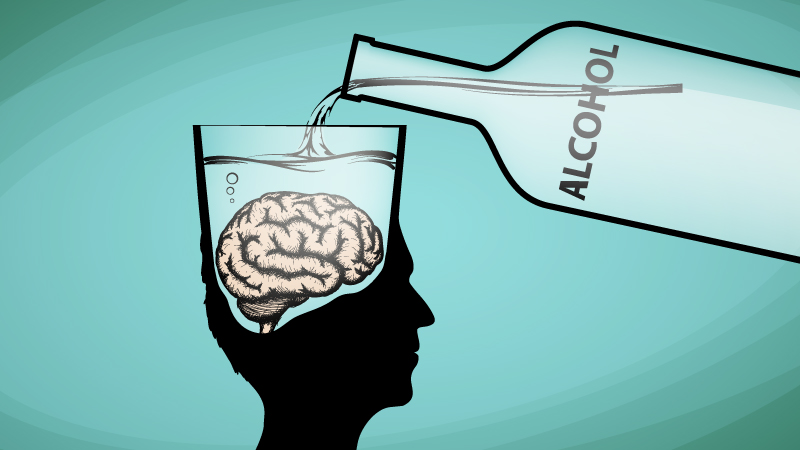
Alcohol has been deeply embedded in human culture for thousands of years—woven into our social traditions, celebrations, and even religious rituals. But how does alcohol actually affect the brain and body?
While many view alcohol as a harmless indulgence when consumed in moderation, scientific research paints a more complex picture. Even low to moderate drinking can alter brain structure, impact neurotransmitter function, and contribute to long-term health risks.
This article breaks down the biological and psychological effects of alcohol, revealing how it influences brain function, gut health, and overall well-being.
How Alcohol Affects the Brain
Alcohol is unique among recreational substances because it directly enters the bloodstream and crosses the blood-brain barrier, leading to rapid effects on mood, cognition, and behavior.
🧠 Neurotransmitter Disruption – Alcohol alters the balance of key neurotransmitters like GABA, glutamate, and dopamine, leading to relaxation, impaired judgment, and changes in emotional regulation.
⚡ Reduced Inhibition & Impulsivity – By dampening activity in the prefrontal cortex, alcohol lowers impulse control, making individuals more likely to engage in risky behaviors.
💤 Disrupted Sleep Patterns – Alcohol suppresses REM sleep, reducing sleep quality and contributing to fatigue and cognitive fog.
🧬 Brain Structure Changes – Long-term consumption can lead to shrinkage of the neocortex, the brain region responsible for higher reasoning and decision-making.
🔹 Takeaway: Even occasional alcohol use can alter brain function in ways that affect cognition, mood, and behavior, especially when drinking becomes frequent.
The Reality of Alcohol Tolerance & Dependence
Many believe that building tolerance to alcohol is a sign of resilience, but in reality, it reflects negative adaptations in the brain.
📉 Diminished Effects Over Time – As the brain adapts to regular alcohol consumption, it reduces its response to the pleasurable effects, leading to increased consumption to achieve the same feeling.
🔄 Increased Negative Aftereffects – While tolerance may reduce intoxication effects, the hangover and withdrawal symptoms intensify, making alcohol more of a burden than a reward.
⚠️ Higher Risk of Dependency – Repeated drinking rewires the brain’s reward system, making alcohol cravings stronger while reducing its pleasurable effects over time.
🔹 Takeaway: The more you drink, the less benefit you get, and the more negative consequences accumulate.
The Science of Hangovers: More Than Just Dehydration
Many people assume that hangovers are caused solely by dehydration, but they actually result from a complex combination of biological disruptions.
🥴 Neurochemical Imbalance – Alcohol depletes essential neurotransmitters, leading to mood instability, headaches, and cognitive fog.
🦠 Gut Microbiome Disruption – Alcohol negatively affects gut bacteria, contributing to inflammation, nausea, and digestive issues.
💤 Poor Sleep Quality – While alcohol might help with falling asleep, it disrupts REM sleep, leading to fatigue and mental sluggishness the next day.
🚫 Toxic Byproducts – The breakdown of alcohol produces acetaldehyde, a highly toxic compound that contributes to nausea, dizziness, and headaches.
🔹 Takeaway: Hangovers are a multi-system response to alcohol consumption, affecting the brain, gut, and immune system—not just dehydration.
Alcohol’s Impact on Gut Health & Immunity
Most people don’t think of alcohol as a gut disruptor, but research shows that even moderate consumption can harm the digestive system.
🦠 Microbiome Imbalance – Alcohol kills beneficial gut bacteria, leading to an overgrowth of harmful microbes that contribute to bloating, inflammation, and digestive issues.
🔥 Increased Gut Permeability – Also known as “leaky gut”, alcohol weakens the intestinal lining, allowing toxins to enter the bloodstream and trigger immune responses.
🍽️ Nutrient Absorption Issues – Chronic drinking impairs nutrient absorption, particularly of B vitamins, magnesium, and zinc, leading to fatigue and weakened immunity.
🔹 Takeaway: Alcohol doesn’t just affect the brain—it directly impacts gut health, leading to digestive issues and increased inflammation throughout the body.
Does Alcohol Affect Everyone the Same Way?
Not everyone reacts to alcohol the same way. Genetics, drinking history, and metabolic factors all play a role in how alcohol affects individuals.
🧬 Genetic Differences in Alcohol Metabolism – Some people break down alcohol more efficiently, while others experience stronger effects due to slower metabolism.
🎭 Personality & Emotional State – Drinking affects people differently based on their emotional state and social environment.
👶 Age & Early Exposure Risks – Those who start drinking at a young age have a significantly higher risk of developing alcohol dependency later in life.
🔹 Takeaway: Alcohol affects individuals differently, and some people are genetically more susceptible to negative effects.
How to Minimize Alcohol’s Negative Effects
For those who choose to drink, there are ways to reduce the negative impact of alcohol while still maintaining balance.
🍽️ Eat Before Drinking – Having food in the stomach slows alcohol absorption, reducing intoxication levels.
💧 Hydration Matters – Drinking water between alcoholic beverages helps mitigate dehydration and reduce hangover severity.
🦠 Support Gut Health – Consuming fermented foods (yogurt, kimchi, sauerkraut) helps restore beneficial gut bacteria.
⏳ Take Extended Breaks – Taking weeks or months off alcohol allows the body to reset and improves overall health.
🔹 Takeaway: Small lifestyle changes can significantly reduce the damage alcohol does to the body while still allowing for occasional indulgence.
Final Thoughts: Understanding Alcohol’s Role in Your Life
Alcohol is neither inherently good nor evil—it’s a substance with real biological consequences that vary based on frequency, amount, and individual response.
✅ Know your limits – Understanding how alcohol affects your body and mind allows for more informed decision-making.
✅ Be mindful of patterns – Occasional drinking is different from habitual consumption that alters brain function and gut health.
✅ Consider healthier alternatives – Many people report feeling better mentally and physically after cutting back or eliminating alcohol altogether.
💡 What’s your experience with alcohol? Have you noticed its effects on your body and mind?



 alter your perspective
Leave a comment