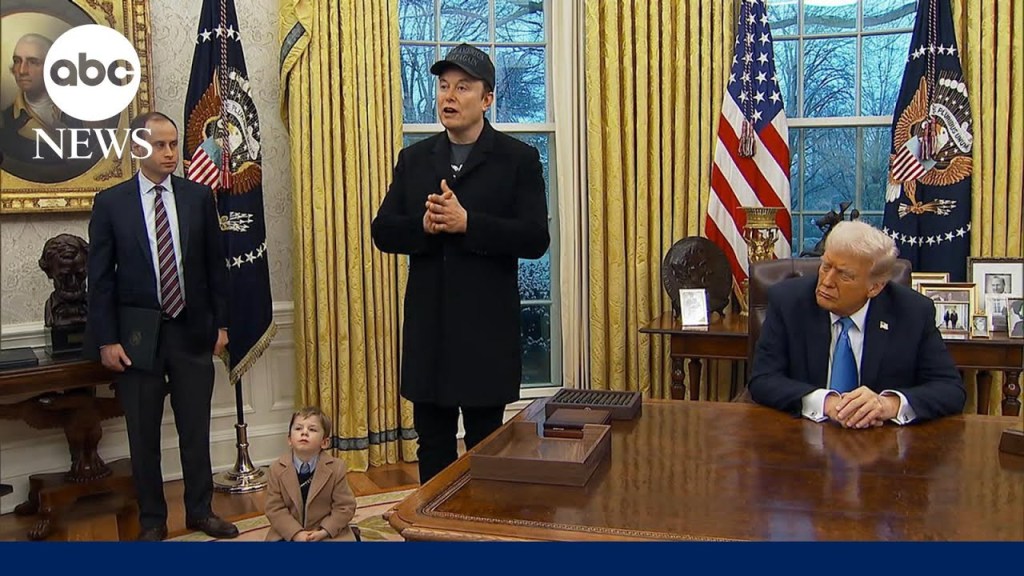
The evolving political landscape under President Donald Trump’s second term has raised critical questions about executive authority, judicial oversight, and the resilience of American institutions. As the administration pushes forward with controversial executive actions, the judiciary, Congress, and civil service find themselves in an escalating battle over the limits of presidential power.
At the heart of this debate is whether the executive branch will comply with legal constraints or challenge the judiciary’s role in interpreting the Constitution. The potential consequences of this power struggle could redefine the balance of power in American governance, setting new precedents for how executive authority is wielded in the future.
An Administration That Defies Convention
The Trump administration has never shied away from pushing the boundaries of traditional governance, and its second term is proving to be no exception. With key figures like Vice President JD Vance suggesting that the executive branch should determine its own “legitimate power,” concerns over the potential erosion of checks and balances have intensified.
🔥 Key Political Flashpoints
⚖️ Judicial Pushback – Federal courts have temporarily blocked several of the administration’s executive orders, highlighting the judiciary’s efforts to check presidential overreach. However, compliance from the executive branch remains uncertain.
💰 Challenges to Congressional Authority – The administration’s attempts to withhold or reallocate congressional funds have raised constitutional concerns about the separation of powers. By challenging Congress’s “power of the purse,” the executive branch risks further institutional conflict.
📢 Civil Service Resistance – Federal agencies are facing internal turmoil as long-standing government employees resist the administration’s efforts to dismantle departments and reshape policies. This bureaucratic pushback signals deep tensions within the federal workforce.
🌍 Public Protests and Political Mobilization – Widespread demonstrations against executive actions reflect growing public discontent, with civic engagement on the rise as citizens demand accountability.
📜 Historical Parallels – The current crisis is reminiscent of past struggles over executive power, from the New Deal-era Supreme Court battles to Nixon’s constitutional confrontations. The ability of American institutions to withstand such challenges will be a key test of their resilience.
The Threat to Constitutional Norms
The core issue in this unfolding drama is whether executive power can be effectively restrained by the judiciary and Congress. The U.S. Constitution was designed to prevent the concentration of power in any one branch of government, yet the current administration’s willingness to defy legal rulings and challenge institutional norms raises serious concerns.
🚨 Key Risks to Democratic Stability
- Defiance of Court Orders – The suggestion that the judiciary should not have ultimate authority over executive actions is a direct challenge to the principle of judicial review, which has been a cornerstone of American democracy since Marbury v. Madison.
- Weakening of Congressional Oversight – If Congress fails to assert its authority, it could set a dangerous precedent for unchecked executive action, making future administrations even more powerful.
- Erosion of Public Trust – When institutions fail to enforce legal accountability, public faith in democracy declines, leading to increased polarization and instability.
Civil Service and Institutional Resistance
While much of the focus is on the executive branch and its battles with the judiciary and Congress, civil servants and government employees play a crucial role in maintaining governmental integrity. However, their efforts are being met with unprecedented hostility, with attempts to purge certain agencies and silence dissenting voices.
⚔️ The Fight Within the Bureaucracy
💼 Mass Resignations and Firings – Many experienced professionals are leaving government roles, weakening institutional memory and expertise.
🏢 Dismantling of Agencies – Targeted efforts to restructure or dissolve certain agencies are causing organizational chaos and inefficiency.
🛡️ Resistance from Within – Some government employees are pushing back, attempting to preserve the rule of law and ethical governance despite executive pressures.
If this trend continues, it could fundamentally alter how the federal government functions, leading to either a more compliant civil service or one that actively resists executive overreach.
The Role of Public Opinion in Governance
Despite the institutional power struggles, public opinion remains one of the most significant forces in shaping political outcomes. The rise in protests and civic engagement signals that Americans are increasingly aware of the stakes involved in this political crisis.
📢 The Growing Demand for Accountability
- Surging Political Activism – More citizens are participating in protests, voter registration efforts, and advocacy campaigns.
- Media Scrutiny and Investigative Journalism – Reports exposing government overreach are fueling public pressure on policymakers.
- Potential Midterm Consequences – If dissatisfaction grows, it could shift control of Congress, influencing how future legislative battles unfold.
Public mobilization has historically played a decisive role in shaping governance, and its impact in the coming years could determine whether institutional checks on executive power remain effective.
The Future of American Governance
The political environment in the U.S. is at a critical juncture, with executive power, judicial authority, and legislative oversight all being tested. Whether institutions withstand this pressure or succumb to a new era of unrestrained presidential control remains uncertain.
🔮 Key Questions Moving Forward
- Will judicial rulings continue to be respected, or will the executive branch escalate its defiance?
- Can Congress reclaim its role as a check on presidential power, or will partisan loyalty overshadow constitutional duty?
- How will civil servants adapt to political interference, and can they maintain ethical governance?
- What role will the public play in shaping the future of democratic institutions?
✅ The Takeaway
The battle over executive power, judicial authority, and institutional integrity is not just a theoretical debate—it has real-world implications for the future of democracy. The outcome of this struggle will define the balance of power in the U.S. for years to come.
As political tensions rise, one thing remains clear: the resilience of democracy depends on the vigilance of its institutions, its leaders, and its people.



 alter your perspective
Leave a comment