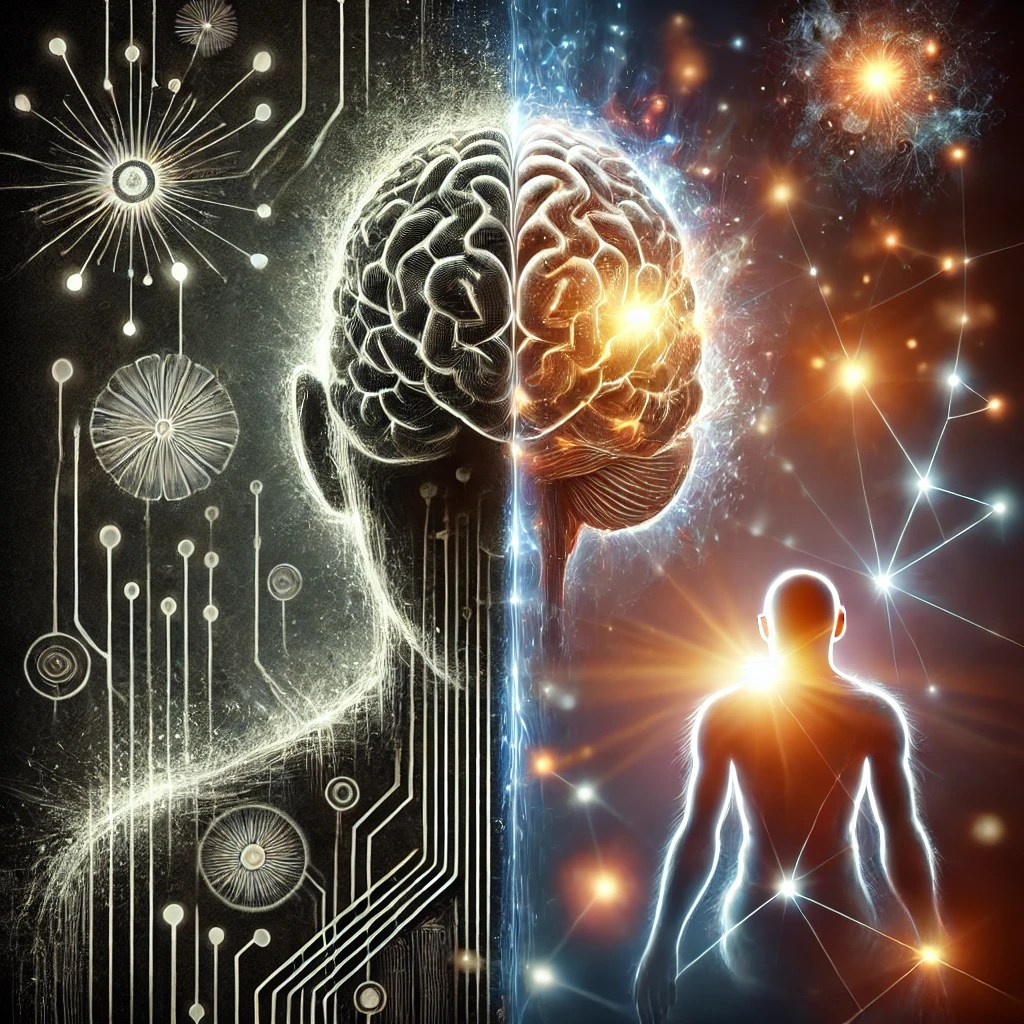
Fear is a fundamental survival mechanism, deeply embedded in human neurobiology. It alerts us to danger, triggers defensive responses, and shapes our behavior. However, when fear becomes chronic—whether due to trauma, post-traumatic stress disorder (PTSD), or anxiety—it can severely impact mental and physical health. Understanding the neuroscience of fear, the distinction between stress and trauma, and the mechanisms that govern these responses is essential for effective treatment and recovery.
Modern research has provided groundbreaking insights into how fear is processed in the brain and how trauma imprints lasting changes on our nervous system. By exploring the biological, cognitive, and social factors influencing fear, individuals can take advantage of therapeutic approaches and pharmacological interventions to manage and ultimately reframe their fear responses.
How Fear Works in the Brain
Fear is not just an emotional state—it is a biological process involving multiple brain regions. The amygdala is at the core of this response, acting as a rapid alarm system that detects threats and signals the body to react. Other key players include:
- The prefrontal cortex, which regulates and rationalizes fear responses, determining whether a threat is real or imagined.
- The hypothalamic-pituitary-adrenal (HPA) axis, which controls the release of stress hormones like cortisol and adrenaline, heightening physical alertness.
- The hippocampus, responsible for contextualizing fear by distinguishing between past threats and present reality.
While fear can be lifesaving, maladaptive fear responses can lead to chronic stress and trauma-related disorders, making it difficult to separate real threats from perceived danger.
The Difference Between Fear, Stress, and Trauma
Although fear and stress are often used interchangeably, they engage distinct neurological pathways:
- Fear is an immediate response to a present external threat. It activates the sympathetic nervous system, preparing the body for fight, flight, or freeze.
- Stress is a reaction to perceived or ongoing challenges, whether real or imagined. It may not always involve fear, but chronic stress can reshape neural circuits, leading to heightened fear responses over time.
- Trauma occurs when an overwhelming event leaves a lasting imprint on the nervous system. Unlike stress or fear, trauma rewires brain pathways, making individuals more sensitive to triggers that recall the traumatic event.
Understanding these distinctions is crucial for developing effective therapeutic interventions, as treating PTSD or trauma-related disorders requires addressing both cognitive and physiological factors.
How Trauma Becomes Hardwired: Fear Learning and Extinction
One of the defining characteristics of trauma is one-trial learning, where a single terrifying experience imprints itself permanently into the brain. This rapid learning mechanism, designed for survival, makes fear memories exceptionally resilient.
However, neuroscience has shown that fear responses are not permanent—they can be reconditioned. The process of fear extinction involves replacing traumatic memories with new, less distressing associations. This is why behavioral therapies such as exposure therapy and cognitive restructuring focus on gradually reshaping the brain’s response to past threats.
Simply eliminating fear is not enough; the brain requires new, positive associations to overwrite traumatic imprints. Repeated exposure to controlled, non-threatening stimuli helps retrain the amygdala, allowing it to recalibrate its fear response.
Therapeutic Approaches for Fear and Trauma
There are multiple strategies for reprogramming fear responses and treating trauma-related disorders:
- Exposure Therapy – Gradually facing fear-inducing stimuli in controlled environments to desensitize the amygdala and reduce overactive fear responses.
- Cognitive Behavioral Therapy (CBT) – Identifying and reframing distorted thoughts about fear, trauma, and perceived danger.
- Prolonged Exposure Therapy – A structured method where individuals repeatedly recount traumatic experiences to lessen emotional intensity over time.
- Social Connection – Support from trusted individuals plays a key role in healing, as community and relationships help regulate stress responses.
In addition to traditional therapy, breathwork and mindfulness techniques have been shown to calm the nervous system, reducing physiological stress responses.
The Role of Pharmacological Interventions in PTSD Treatment
For individuals with severe PTSD, drug-assisted therapy is emerging as a promising treatment. Certain compounds can modulate the brain’s response to trauma, making it easier to process distressing memories in a therapeutic setting:
- Ketamine Therapy – Helps rewire the brain’s fear circuits by promoting neuroplasticity, allowing patients to reframe traumatic experiences.
- MDMA-Assisted Psychotherapy – Enhances emotional processing and reduces fear by boosting serotonin and oxytocin, which promote feelings of safety and connection.
- Beta-Blockers (Propranolol) – Used to weaken the emotional intensity of fear memories, making them less disruptive over time.
While these treatments show promise, they are most effective when combined with psychotherapy, ensuring that patients have the tools to process trauma in a structured and guided manner.
The Impact of Social Connection on Trauma Recovery
Fear and trauma often lead to social withdrawal, reinforcing feelings of isolation and distress. However, research consistently shows that strong social connections play a critical role in trauma recovery:
- Interacting with supportive people can help regulate dopamine and oxytocin levels, which counteract stress hormones.
- Engaging in group therapy or community-based activities provides a sense of safety and belonging, reducing PTSD symptoms.
- Trust-building exercises can help individuals regain a sense of control and confidence, counteracting feelings of helplessness.
Healing from trauma requires both individual and social efforts, making human connection a vital part of the recovery process.
Key Takeaways
- Fear, stress, and trauma engage distinct but interconnected neural pathways, shaping how we respond to threats.
- The amygdala, prefrontal cortex, and HPA axis are the key players in the neurobiology of fear and trauma.
- Fear responses can be reconditioned—eliminating fear is not enough; positive associations must replace traumatic imprints.
- Behavioral therapies such as exposure therapy and CBT are effective in retraining the brain’s response to past threats.
- Pharmacological interventions like ketamine and MDMA show promise in PTSD treatment by facilitating emotional processing and reducing fear.
- Social connection is a powerful tool in trauma recovery, helping regulate stress responses and restore emotional well-being.
The Bigger Picture
Fear is an adaptive survival mechanism, but when it becomes chronic or trauma-driven, it can limit life in profound ways. Advances in neuroscience have transformed our understanding of how fear is processed and how trauma can be rewired, offering new hope for those struggling with PTSD and anxiety disorders.
Through a combination of scientific knowledge, therapeutic strategies, and social support, individuals can retrain their brains, redefine their relationship with fear, and reclaim control over their emotional responses.
By embracing a comprehensive approach to fear and trauma—one that incorporates both biological insights and psychological tools—we can move toward more effective treatments and a deeper understanding of resilience and healing.



 alter your perspective
Leave a comment