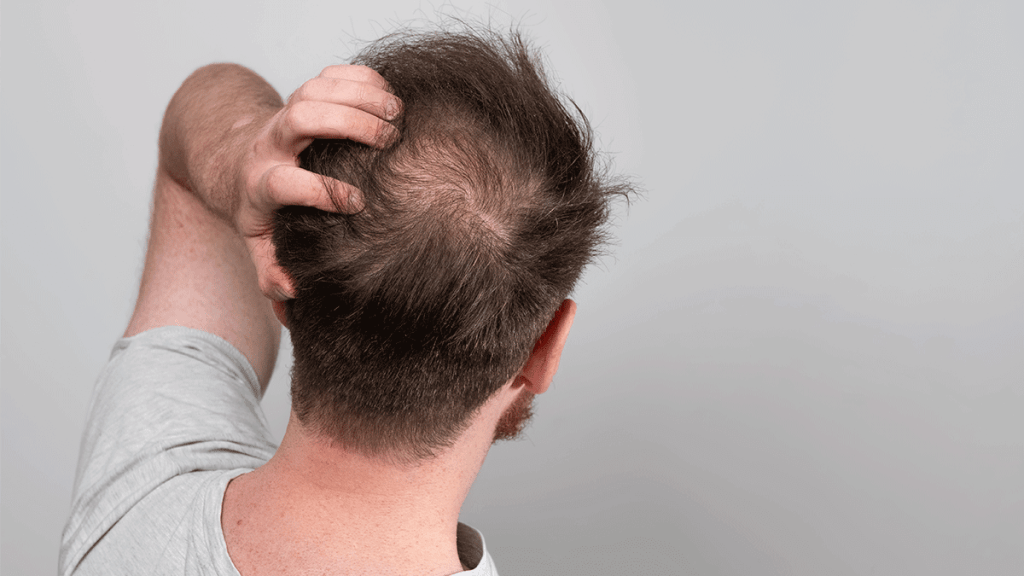
Hair loss is a concern for many, yet its underlying biology is often misunderstood. Understanding the mechanisms that govern hair follicles, the role of stem cells, and the influence of hormones provides valuable insight into managing hair health. Hair growth follows three distinct phases: anagen (growth), catagen (regression), and telogen (rest). A key factor in hair loss is dihydrotestosterone (DHT), a hormone that can shorten the anagen phase and accelerate hair shedding.
A variety of treatments exist to address hair thinning and loss, ranging from mechanical methods like scalp massage and microneedling to chemical interventions such as minoxidil, finasteride, and caffeine-based solutions. In addition to biological factors, hair loss carries psychological and social implications, influencing self-esteem and confidence. By understanding the science behind hair health, individuals can make informed choices about available treatments and lifestyle modifications.
Key Insights into Hair Biology
- 🧬 Structure of Hair Follicles: Each hair strand originates from a follicle containing stem cells responsible for growth and regeneration.
- 📉 Growth Phases: Hair cycles through three stages—anagen (growth), catagen (regression), and telogen (rest).
- 💔 Impact of DHT: Androgens like DHT can shorten the growth phase, leading to hair thinning and eventual loss.
- 🔬 Treatment Approaches: Mechanical stimulation (scalp massage, microneedling) and chemical solutions (minoxidil, finasteride) are among the most researched strategies for hair preservation.
- 💡 Caffeine and Hair Growth: Caffeine has been shown to support follicular health by reducing apoptosis (programmed cell death) and improving cellular energy balance.
- 🤔 Debunking Myths: Common misconceptions about genetic inheritance and hair loss patterns are clarified by modern research.
- 🌱 A Holistic Strategy: A combination of nutrition, exercise, and targeted treatments can support long-term hair health.
Biological and Psychological Aspects of Hair Loss
- 🧪 Cellular Mechanisms: The hair follicle’s structure, including stem cells, melanocytes (pigment cells), and sebaceous glands, plays a crucial role in hair health. Treatments often target these components to slow hair loss.
- 🧠 Emotional Impact: Hair loss can significantly affect mental well-being, as hair is closely tied to personal identity and confidence. Understanding these effects is essential when exploring treatment options.
- 📈 Hormonal Influence: While estrogen and IGF-1 can promote hair growth, excess androgens like DHT contribute to hair thinning. Balancing these hormones is key to effective treatment.
- 💧 The Role of Blood Circulation: Treatments that increase blood flow to the scalp, such as minoxidil and microneedling, can help extend the hair’s growth phase and slow loss.
- 💊 Minoxidil Considerations: While minoxidil is widely used, potential side effects such as dizziness and changes in prolactin levels highlight the importance of proper dosing.
- 🌿 Natural Alternatives: Plant-derived compounds like saw palmetto and caffeine may offer hair-supporting benefits by reducing DHT levels without the side effects of pharmaceuticals.
- 🔄 Long-Term Commitment: Many treatments require continuous use—discontinuing minoxidil or finasteride can result in the reversal of hair regrowth.
By exploring the science behind hair growth and loss, as well as the effectiveness of various treatments, individuals can make informed decisions about preserving hair health. A proactive, evidence-based approach combining lifestyle changes, targeted treatments, and ongoing care offers the best chance of maintaining strong, healthy hair over time.



 alter your perspective
Leave a comment