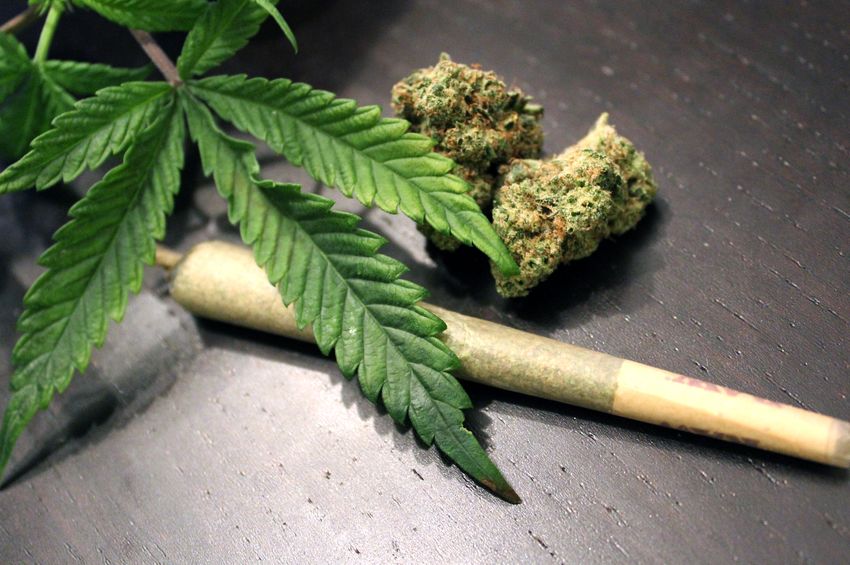
Cannabis is one of the most widely used substances in the world, yet its effects on the brain and body remain widely misunderstood. From its potential medicinal benefits to its risks, cannabis is a complex topic that requires a nuanced understanding. Whether you’re a curious beginner or a seasoned user, this post will break down the science of cannabis, its strains, compounds, and how it impacts creativity, mental health, and overall well-being.
The Basics: THC, CBD, and Beyond
Cannabis contains over 70 psychoactive compounds, but the two most well-known are THC (tetrahydrocannabinol) and CBD (cannabidiol). These compounds interact with the body’s endocannabinoid system, which regulates mood, memory, appetite, and pain.
- THC: Responsible for the “high” associated with cannabis, THC can produce euphoria, relaxation, and altered perception. However, it can also cause anxiety, paranoia, and short-term memory impairment in some individuals.
- CBD: Unlike THC, CBD is non-psychoactive and is often used for its potential therapeutic effects, such as reducing anxiety, inflammation, and pain.
The ratio of THC to CBD in a cannabis strain determines its effects. For example, a strain with high THC and low CBD may be more stimulating, while a balanced ratio may promote relaxation.
Strains: Sativa, Indica, and Hybrid
Cannabis strains are often categorized into three main types:
- Sativa: Known for its energizing and uplifting effects, sativa strains are often associated with creativity and focus. They’re typically higher in THC.
- Indica: Indica strains are more sedative and relaxing, making them popular for evening use or pain relief. They often have a higher CBD content.
- Hybrid: As the name suggests, hybrid strains combine characteristics of both sativa and indica, offering a balanced experience.
It’s important to note that these categories are generalizations, and individual responses can vary based on factors like genetics, dosage, and frequency of use.
Cannabis and Creativity
One of the most intriguing aspects of cannabis is its potential impact on creativity. Research suggests that cannabis can enhance divergent thinking—the ability to generate new ideas and think outside the box. However, it may also impair convergent thinking—the ability to organize and refine those ideas into a coherent solution.
For some, cannabis can unlock creative potential by reducing inhibitions and promoting free-flowing thoughts. For others, it may lead to mental fog and difficulty focusing. The key is understanding how cannabis affects you personally and using it intentionally.
Health Benefits and Risks
Cannabis has been used medicinally for centuries, and modern research supports its potential benefits for conditions like chronic pain, anxiety, epilepsy, and nausea. However, it’s not without risks:
- Mental Health: Cannabis can exacerbate anxiety, depression, and psychosis, particularly in individuals with a genetic predisposition.
- Dependence: Regular use can lead to tolerance, dependence, and withdrawal symptoms, such as irritability and insomnia.
- Cognitive Effects: Short-term memory impairment is a common side effect, which can be problematic in situations requiring focus and clarity.
As with any substance, moderation and informed use are key.
Legal Considerations
The legality of cannabis varies widely across regions, influencing its availability, quality, and social acceptance. In some places, cannabis is fully legalized for recreational and medicinal use, while in others, it remains strictly prohibited. Understanding the legal context in your area is essential for making informed decisions about cannabis use.
Practical Tips for Safe and Effective Use
If you’re considering using cannabis, here are some tips to maximize benefits and minimize risks:
- Start Low and Go Slow: Begin with a low dose, especially if you’re new to cannabis or trying a new strain.
- Choose the Right Strain: Consider your goals (e.g., relaxation, creativity, pain relief) and select a strain with an appropriate THC-to-CBD ratio.
- Be Mindful of Timing: Avoid using cannabis in situations that require focus, memory, or coordination, such as driving or working.
- Monitor Your Mental Health: If you experience increased anxiety, paranoia, or other negative effects, consider reducing your dose or switching to a strain with higher CBD content.
- Stay Informed: Keep up with emerging research and legal developments to make informed decisions about cannabis use.
The Bigger Picture
Cannabis is a powerful tool with the potential to enhance creativity, relieve pain, and improve quality of life for many people. However, it’s not a one-size-fits-all solution. By understanding the science behind cannabis, its strains, and its effects, you can make informed choices that align with your goals and values.
Key Takeaways
- THC and CBD: These compounds have distinct effects, with THC being psychoactive and CBD offering therapeutic benefits.
- Strains Matter: Sativa, indica, and hybrid strains produce different effects, so choose based on your needs.
- Creativity and Cannabis: Cannabis can enhance divergent thinking but may impair convergent thinking.
- Health Risks: Be mindful of potential mental health risks and cognitive effects.
- Legal Context: Understand the laws in your region before using cannabis.
By approaching cannabis with curiosity, caution, and respect for its complexity, you can unlock its potential while minimizing its risks. Whether you’re using it for creativity, relaxation, or relief, the key is to stay informed and intentional. 🌿



 alter your perspective
Leave a comment