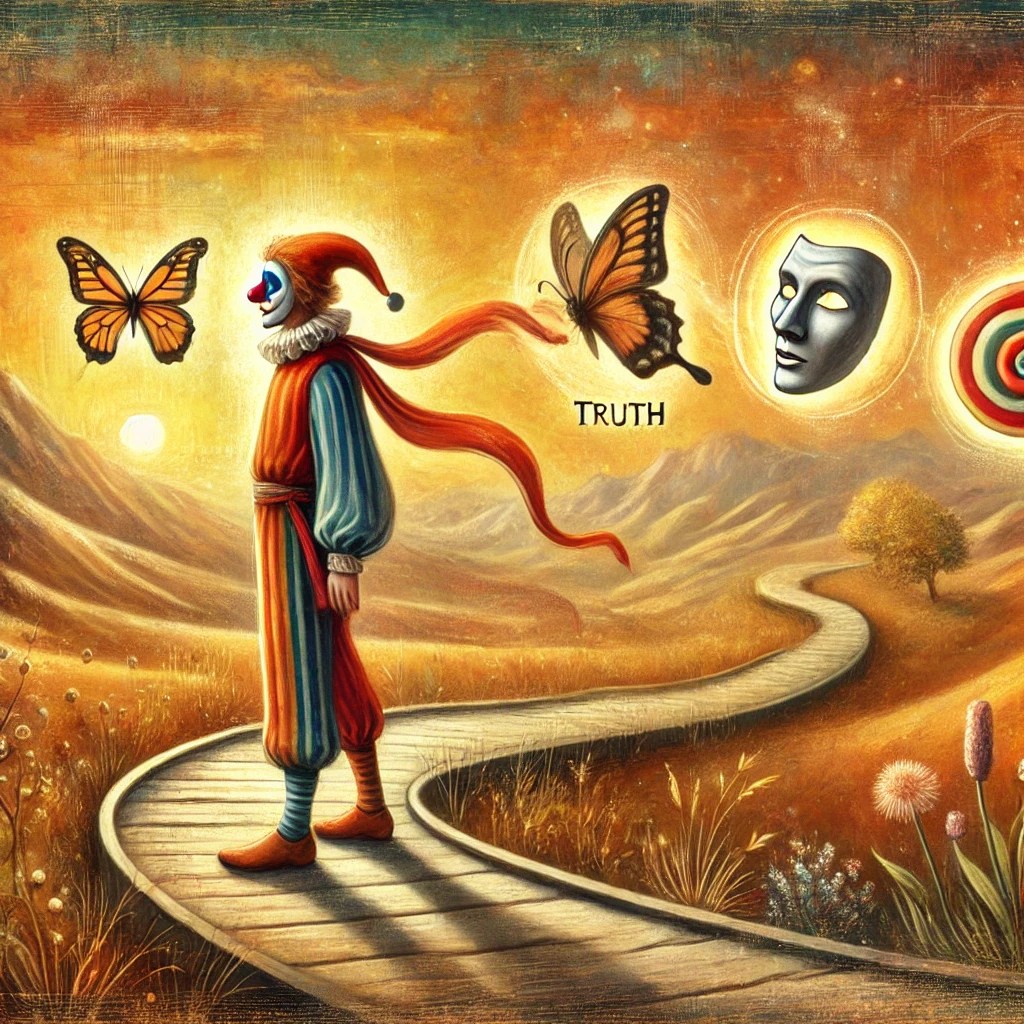
The fool is an enduring figure, present across cultures, literature, and psychology, embodying both innocence and deep wisdom. Often dismissed as naive or humorous, the fool paradoxically serves as a truth-teller, a disruptor of norms, and a guide to self-discovery. While society prioritizes seriousness and productivity, the fool reminds us of the essential value of play, spontaneity, and authenticity.
By exploring the role of the fool in history, literature, and personal growth, we uncover how folly and wisdom coexist—challenging conventional thinking, unlocking creativity, and leading to profound transformation.
The Role of the Fool in Culture and Society
🎭 A Timeless Archetype
The fool has existed in mythology, folklore, and religious traditions for centuries, symbolizing uninhibited self-expression and unconventional wisdom. While others adhere to societal expectations, the fool moves freely between order and chaos, offering insights that others overlook.
🎓 Balancing Wisdom and Folly
The fool exists in contrast to the sage, yet both are necessary for a complete understanding of life. Where the sage seeks knowledge through study and discipline, the fool discovers wisdom through experience, mistakes, and spontaneity. This interplay teaches us that:
- Seriousness without play leads to rigidity.
- Wisdom without folly leads to arrogance.
- True understanding requires embracing both structured thought and intuitive insight.
The Fool’s Influence in Literature and History
📖 Folly as a Path to Truth
The fool’s unique perspective allows them to speak truths that others fear to express. Unlike conventional thinkers, the fool questions authority, disrupts social norms, and challenges collective assumptions.
- In medieval courts, jesters had the freedom to mock rulers and expose hypocrisy through humor.
- In Shakespeare’s plays, fools like King Lear’s jester act as the most perceptive characters, using wit to reveal hidden truths.
- In Erasmus’ In Praise of Folly, folly itself critiques the self-importance of scholars and leaders, emphasizing that wisdom and humility go hand in hand.
By exposing uncomfortable realities through humor and absurdity, the fool liberates society from its own self-deception.
🌟 The Heroic Fool: Triumph Through Innocence
In folklore and mythology, the fool is often a reluctant hero, triumphing through naïve optimism and faith rather than strategy or strength.
- Ivan the Fool in Russian folklore succeeds where others fail because of his innocence and purity of heart.
- Parsifal, the fool-knight of Arthurian legend, finds the Holy Grail precisely because he does not assume he already understands the world.
These figures remind us that sometimes, seeing the world without cynicism or pretense leads to the deepest truths.
The Fool in Psychology: Embracing Play and Uncertainty
🤹 The Importance of Playfulness
Modern society often suppresses playfulness and creativity, prioritizing productivity and seriousness instead. However, the fool embodies the essential human need for exploration, humor, and spontaneity.
Without play, life becomes:
- Rigid and exhausting—leading to burnout.
- Lacking in creativity—stifling problem-solving and innovation.
- Disconnected from joy—removing the spontaneity that makes life meaningful.
By embracing the fool’s spirit of play, we reignite curiosity, resilience, and emotional well-being.
💔 The Sad Clown Paradox
Despite bringing laughter to others, many comedians and entertainers struggle with inner turmoil—a concept known as the Sad Clown Paradox. The fool often masks personal pain with humor, revealing:
- A deep understanding of suffering.
- The ability to use laughter as both escape and healing.
- The duality of joy and tragedy in the human experience.
This paradox highlights the complexity of the fool archetype, showing that humor and wisdom often emerge from the same source—intimate knowledge of hardship.
The Fool as a Catalyst for Personal Growth
🔄 Breaking Free from Societal Constraints
The fool challenges us to step outside of rigid expectations, inviting us to:
- Question authority and conventional thinking.
- Take risks without fear of looking foolish.
- Embrace change and uncertainty as opportunities for growth.
By stepping into the unknown with a fool’s openness, we gain a richer, more flexible approach to life.
🎨 The Dual Nature of the Fool: Innocence and Wisdom
The fool is not merely ignorant or reckless—his wisdom comes from:
- Seeing the world without preconceptions.
- Valuing experience over dogma.
- Learning through mistakes rather than avoiding them.
This ability to navigate both innocence and insight makes the fool an essential guide for self-discovery and transformation.
Key Takeaways
- 🎭 The fool is more than a comedian—he is a truth-teller, disruptor, and agent of change.
- 📖 Fools throughout history have exposed societal flaws through humor, satire, and unconventional wisdom.
- 🤹 Embracing play and spontaneity is essential for creativity, resilience, and emotional well-being.
- 💔 The “Sad Clown Paradox” reveals the deeper struggles behind humor, showing how laughter and pain coexist.
- 🔄 The fool’s journey teaches us to embrace uncertainty, learn through experience, and challenge societal expectations.
The Bigger Picture
The fool’s wisdom is not about rejecting intellect or seriousness—it is about balancing structured knowledge with openness, creativity, and self-expression.
By embracing the fool within us, we:
- Find joy in the unexpected.
- Challenge our own rigid thinking.
- Open ourselves to transformation.
Whether in literature, psychology, or daily life, the fool serves as a reminder that wisdom and folly are two sides of the same coin.
And perhaps, the greatest wisdom of all is the courage to laugh, to play, and to step boldly into the unknown. 🎭



 alter your perspective
Leave a comment