
Despite unprecedented advancements in technology, wealth, and comfort, modern society faces an alarming rise in mental illness, particularly schizophrenia and depression. This paradox raises fundamental questions: Why are mental health struggles escalating in an era of abundance? How does the shift toward individualism contribute to alienation? And is the medicalization of psychological distress the best way to understand suffering?
Drawing from Thomas Szasz, Viktor Frankl, and Carl Jung, this article explores how modern mental illness is deeply tied to a crisis of meaning, the fragmentation of identity, and the loss of communal structures that historically provided individuals with purpose.
The solution, it suggests, lies not merely in psychiatric treatment but in navigating the existential void, embracing the hero’s journey, and reconnecting with the unconscious and community.
The Paradox of Progress and the Mental Health Crisis
🧠 Mental Illness in a World of Comfort
The rates of schizophrenia, depression, and anxiety disorders have risen sharply since the 19th century. This rise is puzzling given that material conditions have improved, life expectancy has increased, and daily survival is no longer as precarious as it was in earlier centuries.
Yet, the modern individual—disconnected from meaning, tradition, and community—feels lost, caught between technological advancements and existential despair.
🔍 The Medicalization of Mental Health – Thomas Szasz’s Critique
Psychiatrist Thomas Szasz was a vocal critic of how mental illness is framed as a disease rather than an existential crisis. He argued that much of what we label as mental illness is not a biological defect but a struggle with life itself.
- Modern psychiatry often reduces suffering to chemical imbalances, prescribing medications instead of addressing the underlying meaning crisis.
- By labeling people as “mentally ill,” society pathologizes natural human struggles, stripping individuals of agency and responsibility for their own transformation.
Szasz’s critique urges us to rethink our approach to mental health, shifting from symptom suppression to a deeper understanding of existential suffering.
The Search for Meaning in a Fragmented World
💭 The Existential Vacuum – Viktor Frankl’s Insights
Psychiatrist Viktor Frankl, a Holocaust survivor and founder of logotherapy, observed that many modern individuals suffer from an “existential vacuum”—a lack of purpose that manifests as depression, addiction, and apathy.
- Material wealth does not guarantee meaning—people who “have everything” often feel unfulfilled.
- Without a sense of purpose, individuals turn to destructive behaviors such as consumerism, substance abuse, and violent ideologies.
- Frankl believed that true healing comes from finding meaning in suffering, arguing that those who lack a reason to live are most susceptible to despair.
His approach suggests that therapy should focus less on eliminating suffering and more on helping individuals find purpose in it.
The Role of the Unconscious in Mental Health
🌌 Carl Jung – The Psyche’s Fragmentation and the Shadow Self
Jungian psychology offers another lens to view mental illness: the repression of unconscious forces. Jung believed that modern individuals suffer because they are disconnected from their unconscious mind, leading to fragmentation and neurosis.
- Many psychological disorders stem from unacknowledged inner conflicts rather than external circumstances.
- Schizophrenia, dissociation, and psychosis can be seen as breakdowns in communication between the conscious and unconscious mind.
- Instead of pathologizing these experiences, Jung suggests that they may be attempts at inner transformation that modern society fails to understand.
By embracing the shadow self, exploring dreams, and engaging in active imagination, individuals can integrate fragmented parts of their psyche, leading to healing and wholeness.
The Loss of Community and the Need for a Hero’s Journey
🤝 The Disintegration of Social Bonds
For much of human history, tribes, religious structures, and close-knit communities provided a built-in sense of belonging and shared purpose. The modern world, with its emphasis on individualism and personal success, has eroded these traditional support systems, leading to:
- Increased isolation and loneliness.
- A lack of collective rituals that once gave life meaning.
- Feelings of alienation from both nature and fellow human beings.
The absence of initiation rites, once fundamental in guiding individuals through life’s transitions, leaves many struggling to find a sense of direction and identity.
The Hero’s Journey as a Path to Healing
🌱 Confronting the Abyss and Finding Purpose
Joseph Campbell’s concept of the hero’s journey offers a psychological roadmap for navigating modern suffering.
- The modern individual lacks a structured journey to meaning, leading to stagnation and despair.
- Challenges, suffering, and self-exploration—once essential parts of spiritual and tribal initiation rites—are now avoided, leaving people disconnected from their true selves.
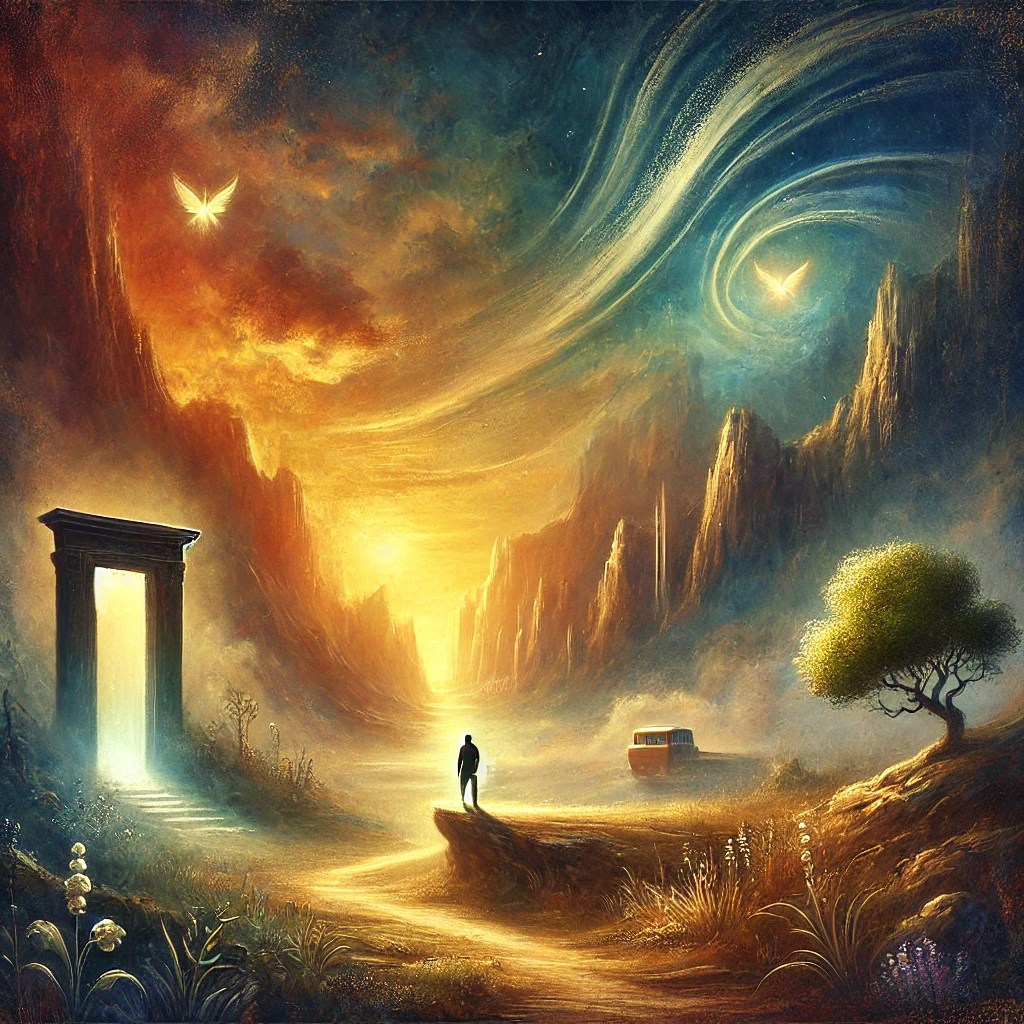
- The hero’s journey requires confronting one’s inner darkness, stepping into the unknown, and emerging transformed.
Rather than seeing suffering as a sign of failure, it should be recognized as an invitation to embark on a path of self-discovery.
Key Takeaways and Modern Implications
✔ Mental illness is not just a biological disorder—it is often a symptom of a deeper existential crisis.
✔ Consumerism and technological progress have not solved the crisis of meaning; in many ways, they have intensified it.
✔ The absence of communal bonds leaves individuals feeling disconnected and purposeless.
✔ Exploring the unconscious (Jung), embracing suffering as a path to meaning (Frankl), and rejecting over-medicalization (Szasz) can provide deeper insights into mental health.
✔ A return to structured personal transformation—the hero’s journey—is essential for finding purpose and healing.
Conclusion: Reclaiming Meaning in a Fragmented World
Modern mental illness cannot be addressed solely through medication or surface-level therapies. To truly heal, individuals must reclaim meaning, reconnect with their inner world, and find community and purpose.
By embracing the hero’s journey, integrating unconscious material, and resisting the empty promises of consumerism, one can transcend the existential vacuum and rediscover a deeply fulfilling sense of self.
Ultimately, the true cure for modern despair is not found in external distractions but in the courage to face the unknown and reclaim the soul’s forgotten wisdom.


 alter your perspective
Leave a comment