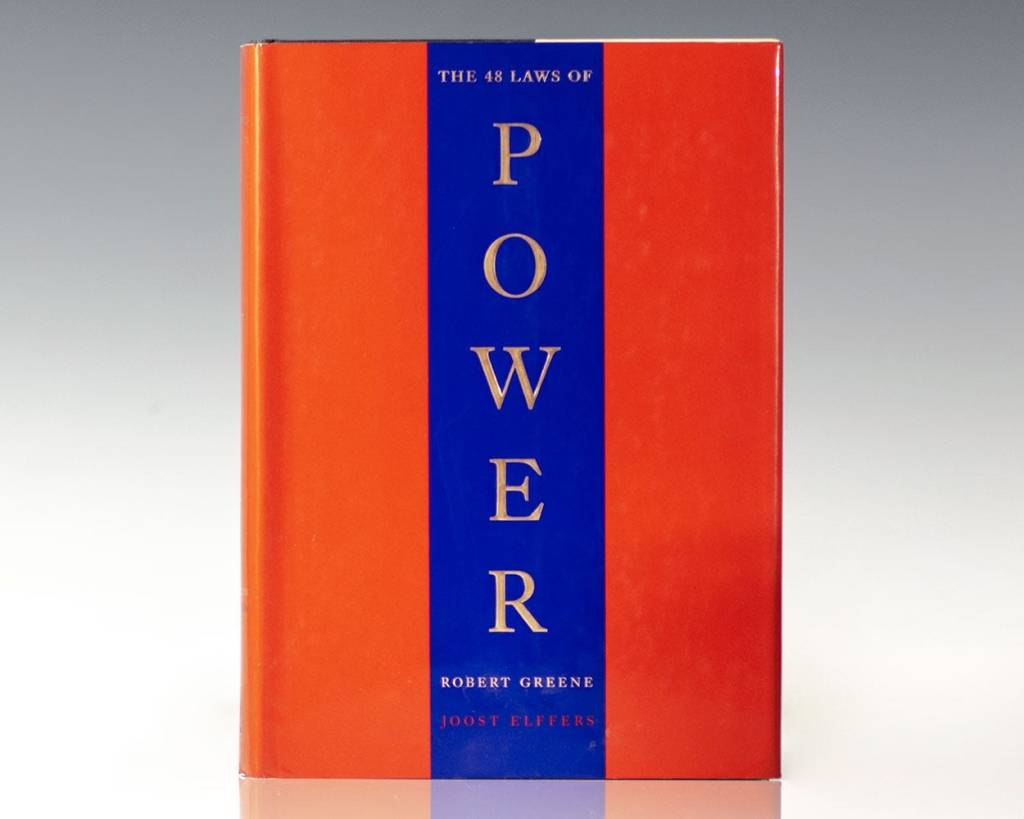
Mastering Power: A Breakdown of The 48 Laws of Power
Power shapes every aspect of human interaction, influencing relationships, leadership, business, and politics. Robert Greene’s The 48 Laws of Power distills centuries of strategy and manipulation into a practical framework, drawing from historical figures like Machiavelli, Sun Tzu, and Napoleon. The book provides insight into how power is acquired, maintained, and defended in competitive environments.
At its core, this exploration of power is neither good nor evil—it is simply a tool. Whether it is used ethically or ruthlessly depends on the individual wielding it.
The Foundations of Power
🧠 Understanding human psychology is the first step to mastering power. Those who know how to manage perceptions, control narratives, and maintain an air of mystery hold a strategic advantage. Influence often outweighs brute strength, and the most effective leaders craft their image to appear competent, charismatic, and indispensable.
🏛️ Navigating hierarchies is crucial. Superiors should always feel secure in their positions, and a wise individual never overshadows them. At the same time, trusting blindly in friends can be risky—history shows that rivals can sometimes be more reliable, as their intentions are clearer. Remaining unpredictable and guarding one’s reputation fiercely are essential tactics for maintaining authority.
🤐 Mastering restraint is another key lesson. Saying less than necessary keeps others guessing and creates intrigue, while controlling emotions prevents unnecessary conflicts. Power often belongs to those who act rather than argue, proving their worth through results rather than words.
Expanding Influence and Control
🕸️ Becoming indispensable ensures lasting influence. When others rely on you, your position becomes unshakable. Generosity, when used strategically, can also be a means of control—those who receive unexpected kindness often feel indebted. However, when seeking help, it is more effective to appeal to self-interest rather than emotions.
🔍 Information is one of the greatest assets in power dynamics. Gathering intelligence discreetly allows for better strategic positioning, while eliminating threats before they fully develop ensures longevity. Decisive action often prevents drawn-out conflicts—leaving an opponent wounded but not destroyed can create long-term dangers.
🎭 Creating an aura of exclusivity enhances authority. People value what is scarce, and maintaining a sense of mystery increases desirability. However, complete isolation is risky—remaining engaged in the world allows for greater control over one’s environment.
⚖️ Understanding people is critical. Some individuals can be confronted directly, while others require a more subtle approach. Knowing who to challenge and who to avoid is essential. Similarly, maintaining independence prevents others from gaining leverage, ensuring autonomy in decision-making.
Mastering Social Strategy
🃏 Perception is power. Those who appear harmless or naïve are often underestimated, giving them the upper hand in critical moments. At times, strategic retreat can be more effective than direct confrontation, allowing for repositioning without attracting unnecessary resistance.
🎯 Focusing energy on key strengths rather than dispersing it too widely ensures effectiveness. Those who master charm and diplomacy can open more doors than those who rely on force alone. Crafting a personal image carefully allows for greater influence—reinventing oneself and adapting to different situations enhances resilience.
⚠️ Avoid direct association with negative actions. The most powerful figures in history have mastered the art of letting others take the fall while they remained untouched. Maintaining a clean public image ensures credibility and long-term authority.
🔮 In social settings, fostering a sense of mystery draws people in. Making oneself appear difficult to attain increases perceived value. Appealing to strong emotions and belief systems can create deep loyalty and devotion.
Psychological Manipulation and Tactics
🎭 Controlling decisions without appearing to do so is a high-level power move. Presenting limited choices while steering people toward the desired outcome makes them believe they are in control when they are actually being guided.
🌌 Fantasy and mystery captivate human nature. Those who understand the power of storytelling and vision often hold the greatest influence. Appealing to people’s psychological weaknesses allows for strategic persuasion, while exuding confidence ensures admiration or fear.
⌛ Timing is everything. Acting too soon or too late diminishes effectiveness. Ignoring those who seek to undermine authority often neutralizes their influence, while dramatic gestures can reinforce control and solidify one’s reputation.
🐍 Flexibility is key. While independent thinking is valuable, blending in when necessary prevents unnecessary conflicts. Stirring up confusion among opponents can create distractions, making them easier to control.
💰 Rejecting things that come too easily demonstrates discernment. Those who cultivate self-sufficiency project strength, making them less vulnerable to manipulation.
Maintaining and Defending Power
🏆 Securing power is only the beginning—keeping it requires constant vigilance. The world is always evolving, and those who fail to adapt risk losing their influence. Those who attempt to imitate great predecessors often struggle—creating a unique legacy is more effective than following in another’s footsteps.
🛡️ Neutralizing opposition is essential for maintaining stability. Removing key figures from rival groups destabilizes their structure, making them easier to control. However, brute force is not always the best approach—winning people over emotionally leads to deeper, more lasting influence.
🪞 One of the most effective tactics is mirroring. Reflecting an opponent’s actions or attitudes can unsettle them, leading to mistakes. Meanwhile, advocating for change should be approached gradually—people resist sudden shifts, but they accept transformation in small increments.
🌙 Appearing too perfect can breed resentment. Success often attracts envy, so allowing minor imperfections to show can prevent unnecessary opposition. Similarly, knowing when to stop is critical—overreaching after victory often leads to downfall.
🌊 Remaining formless is the ultimate power move. Those who cling to rigid ways of thinking eventually become obsolete. The ability to evolve and adapt ensures survival in any power struggle.
Key Takeaways on Power
- 🎭 Influence is built on perception – Controlling how one is seen is just as important as actions taken.
- 🔗 True control lies in creating dependency – Whether through resources, emotions, or knowledge, making others rely on you ensures long-term influence.
- 🏹 Strategic retreat can be more powerful than direct confrontation – Sometimes the best move is to wait rather than act impulsively.
- 🧩 Emotional intelligence is more valuable than brute force – Understanding people’s desires and fears gives an advantage over them.
- 🔄 Adaptability ensures longevity – Those who remain flexible survive, while those who refuse to change become vulnerable.
Conclusion
The 48 Laws of Power provides a masterclass in strategy, influence, and human psychology. While some of its principles may seem ruthless, they reflect the realities that have shaped history. Understanding these strategies allows individuals to navigate complex social dynamics with greater confidence and awareness.
For those who seek success, knowing these tactics is essential—not just to wield power, but also to recognize when others are using them. Whether in business, leadership, or personal interactions, power is always at play. The question is whether to engage in the game strategically or remain at the mercy of those who do.



 alter your perspective
Leave a comment