
The Evolving Political Landscape in the West
The liberal order that has shaped Western democracies is facing significant turbulence, driven by geopolitical shifts, nationalism, and the changing priorities of global superpowers. The ongoing conflict in Ukraine, the evolving role of the United States in international politics, and the resurgence of populist and nationalist movements across Europe are reshaping the global landscape.
Rather than viewing these changes as isolated events, they should be understood as part of a broader historical cycle, where periods of stability are followed by upheaval and transformation. While many commentators present nationalism as a threat to democracy, others argue that it may be a necessary force for unity and renewal in the face of institutional decay and shifting alliances.
This article challenges the conventional wisdom about liberalism’s dominance, offering an alternative perspective on how societies evolve and adapt to political and economic challenges.
Key Takeaways
🌍 Liberalism in Crisis – The liberal institutions that once defined Western governance are struggling to maintain their influence, as they face internal fragmentation and external pressures.
🇺🇦 Ukraine as a Catalyst for Change – The war in Ukraine has forced countries to reconsider their alliances and strategic priorities, accelerating shifts in global power dynamics.
⚖️ Pragmatism Over Idealism – The U.S. and other global powers are shifting away from idealistic foreign policies towards a more transactional, interest-driven approach.
📜 History as a Cyclical Force – Political movements do not progress in a straight line; instead, societies oscillate between different governance models, responding to collective needs and emotions.
🏛 The Role of Nationalism – Nationalism, often dismissed as regressive, can act as a unifying force, fostering social cohesion and redefining the political landscape.
🎭 Populism as a Reaction Against Elitism – The rise of populist movements signals widespread discontent with the perceived disconnect between political elites and the general public.
🔄 The Emotional Foundation of Political Change – Political shifts are rarely driven solely by rational policies; instead, they are rooted in societal emotions, cultural identity, and historical narratives.
The Breakdown of the Liberal Order
📉 The Erosion of Traditional Institutions
The foundational principles of the liberal order—such as open markets, multilateralism, and progressive governance—are being increasingly challenged. Across Europe and the U.S., populist and nationalist sentiments are growing, fueled by economic instability, concerns over immigration, and frustration with elitist bureaucracies that appear out of touch with ordinary citizens’ struggles.
🔄 The Rise of Political Realism
The global balance of power is shifting towards pragmatism, where national interest outweighs ideological commitments. The U.S. foreign policy pivot—from idealistic democracy promotion to realpolitik pragmatism—reflects a broader trend: nations are prioritizing sovereignty, economic stability, and geopolitical leverage over abstract ideological concerns.
⚔️ Ukraine as a Testing Ground for the New Order
The war in Ukraine has exposed the vulnerabilities of Western alliances. While initial support for Ukraine was strong, cracks are forming as economic realities set in and political leaders reassess long-term commitments. The perception of Ukraine as a proxy battleground for U.S.-Russia tensions further complicates international engagement.
Nationalism: A Necessary Force or a Dangerous Disruption?
🏛 Nationalism as a Tool for Unity
While liberal institutions often portray nationalism as a threat, it has historically played a crucial role in unifying societies, fostering resilience, and maintaining social order. Many modern democracies owe their existence to nationalist movements that mobilized people around a shared identity and common goals.
📣 Populism and the Revolt Against Elitism
Populist movements—whether on the left or right—are often misunderstood. While some view them as threats to democracy, they can also serve as corrective forces, challenging out-of-touch elites and forcing political systems to become more responsive to the needs of citizens.
🌀 The Emotional Core of Political Change
Political revolutions are rarely driven purely by policy—they emerge from collective emotions, shared narratives, and deep-seated historical experiences. Understanding this emotional foundation is crucial to making sense of the rise of nationalism and the broader transformations in global politics.
What Lies Ahead? The Future of the European Political Landscape
🌍 A Reassessment of Alliances
As U.S. foreign policy shifts away from ideological commitments, Europe may need to take greater responsibility for its security and economic future. This could lead to:
- Stronger intra-European alliances, where nations work together more independently of U.S. influence.
- A redefinition of NATO’s role, balancing European autonomy with continued cooperation with the U.S.
- New approaches to economic and military resilience, ensuring long-term sustainability.
🛠 Rebuilding Political Identity
Europe faces a critical decision: either cling to outdated structures that are losing relevance, or embrace new political frameworks that integrate national sovereignty with regional cooperation. If managed well, this transition could revitalize European democracy, creating a stronger, more responsive political system.
Conclusion: A New Political Reality
The decline of the liberal order does not signal the end of democracy, but rather its evolution. The reemergence of nationalism and populism, along with shifting geopolitical alliances, marks the beginning of a new era in governance—one that prioritizes pragmatism, identity, and sovereignty.
Rather than resisting these changes, political leaders and citizens alike must engage with them critically—understanding both their potential benefits and inherent risks. By recognizing the cyclical nature of history and the emotional undercurrents driving political transformation, societies can navigate the challenges of the present and build a future that reflects the needs of their people.
The next phase of political evolution will not be dictated by ideology alone, but by a deeper understanding of national identity, historical patterns, and the changing priorities of global powers. The reconstruction of freedom is underway—its final form will depend on how well societies adapt to the realities of the 21st century.


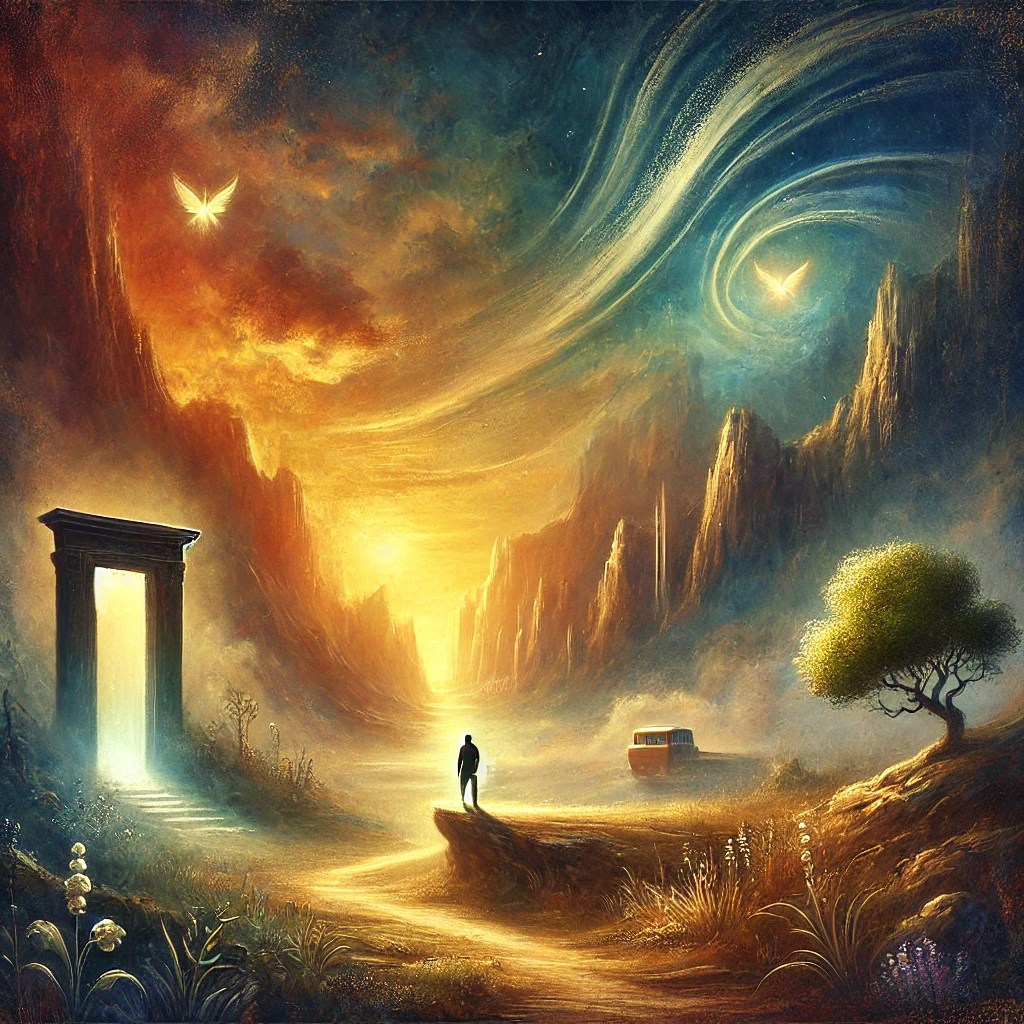
 alter your perspective
Leave a comment