The Symbolism and Meaning
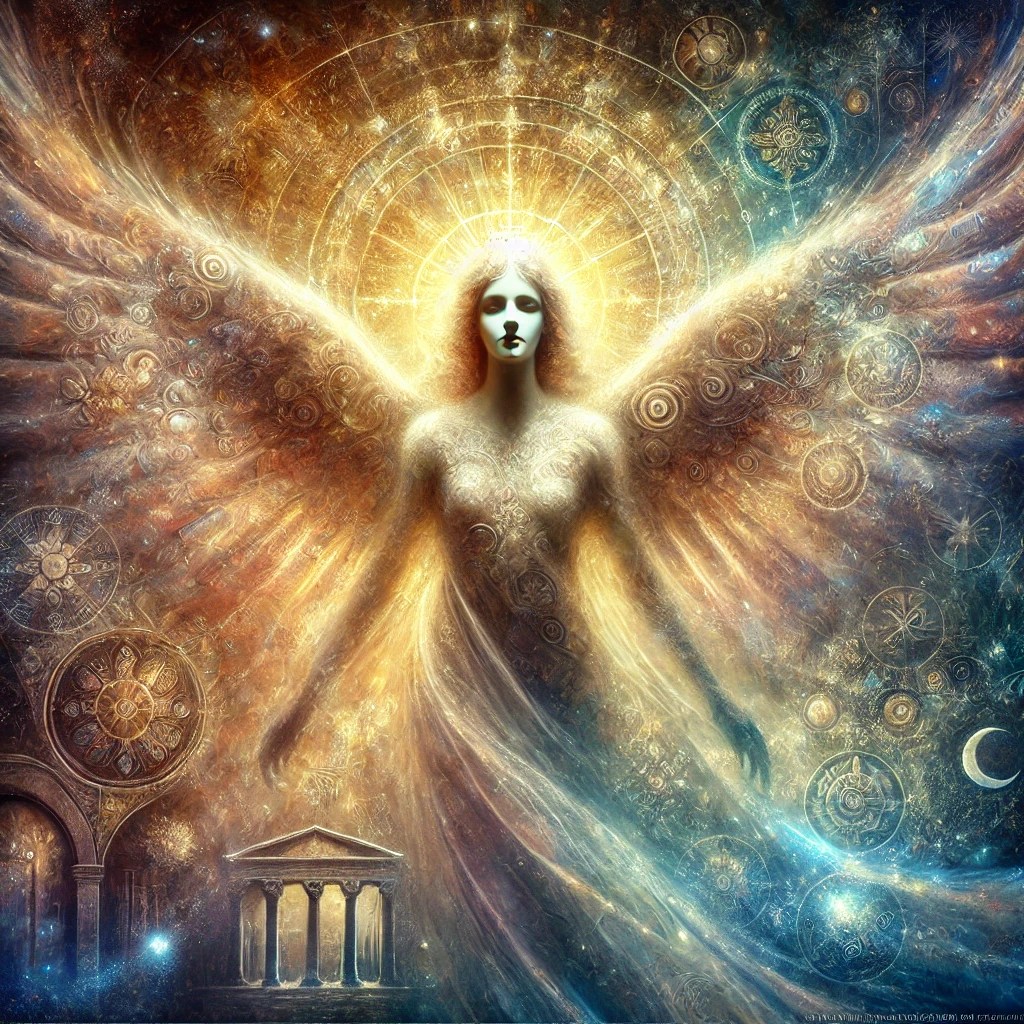
The concept of angels has fascinated humanity for centuries, appearing in religious texts, mythology, and psychological interpretations as divine messengers that bridge the gap between the spiritual and material worlds. These celestial beings are present in traditions spanning Zoroastrianism, ancient Egyptian beliefs, Christianity, Islam, and mysticism, symbolizing higher guidance, protection, and cosmic order.
Angels are often portrayed as benevolent forces guiding human destiny, yet their depictions vary across cultures. While popular imagination envisions them as winged, ethereal beings, biblical and historical descriptions often depict them as ordinary men or abstract forces of divine will. Their presence extends beyond religious narratives into psychological and philosophical thought, where they embody archetypes of wisdom, moral struggle, and transformation.
This exploration of angels reveals their dual nature, not only as bearers of divine will but also as figures who challenge humanity to confront its own inner conflicts, desires, and search for meaning.
Key Insights Into Angelic Symbolism
👼 The Nature of Angels as Messengers
The word “angel” originates from the Greek “angelos,” meaning messenger, highlighting their primary function as intermediaries between the divine and humanity. Across various religious traditions, angels serve as conduits of revelation, influencing human lives by delivering divine instructions, guiding nations, or acting as protectors. Their presence in sacred texts suggests a deep-rooted belief in higher intelligence guiding human affairs.
⚔️ Hierarchies and Roles of Angels
The structured nature of angelic hierarchies reveals how different cultures conceptualize divine order.
- Christian traditions, particularly in medieval theology, classify angels into nine celestial ranks, with Seraphim and Cherubim at the highest levels, embodying pure devotion to God.
- Zoroastrianism presents one of the earliest dualistic views of celestial beings, dividing them between Ahura Mazda’s forces of good and Angra Mainyu’s forces of chaos.
- Islamic teachings describe angels like Jibril (Gabriel), Israfil, and Azrael, each assigned critical cosmic duties, such as delivering revelations and overseeing human souls.
Understanding these classifications encourages a reflection on the organization of the universe and humanity’s place within a divine system.
🌟 Transformational Experiences and Angelic Encounters
Encounters with angels—whether through dreams, visions, moments of deep intuition, or miraculous survival stories—are often described as life-altering experiences. Many religious and mystical traditions suggest that angels help individuals align with their purpose, awakening them to greater self-awareness and spiritual transformation.
This notion reinforces the idea that angelic forces are not only external beings but also inner guides, prompting people to trust their instincts and embrace higher wisdom.
💔 The Myth of the Fallen Angel and the Struggle for Free Will
The story of Lucifer’s fall from grace is one of the most profound narratives surrounding angels. Representing pride, rebellion, and the misuse of free will, the fallen angel archetype serves as a metaphor for human defiance against divine order.
Rather than simply symbolizing evil, fallen angels highlight the necessity of struggle and transformation. Their presence in spiritual traditions suggests that personal growth often requires confronting one’s darker instincts, learning humility, and choosing paths aligned with higher purpose.
🌀 Angels as Psychological Archetypes
Drawing from Carl Jung’s theories, angels can be understood as archetypes within the collective unconscious, representing higher wisdom, moral consciousness, and spiritual aspirations. Jungian psychology also associates angels with the “Self” in the individuation process, guiding individuals toward integrating their unconscious mind.
This interpretation suggests that angelic figures, rather than being external entities alone, are reflections of humanity’s inner struggles and search for wholeness.
🌉 The Journey from Conflict to Union
The biblical account of Jacob wrestling with the angel serves as a powerful symbol of human transformation. Rather than a physical battle, the struggle represents the internal conflicts individuals face in their journey toward enlightenment.
This narrative resonates with the broader spiritual quest—before attaining wisdom or divine blessings, one must grapple with doubts, confront personal limitations, and integrate both the light and dark aspects of the self.
Conclusion
Angels, in their many forms, embody the human desire for transcendence, guidance, and divine connection. Whether understood through religious faith, historical tradition, or psychological symbolism, they represent a higher order of consciousness, encouraging individuals to embrace spiritual insight, personal transformation, and the unity of opposites.
Beyond their mythical and theological significance, angels symbolize the eternal journey toward truth and enlightenment, reminding humanity that wisdom often comes through challenges, self-discovery, and a deeper connection with the unseen forces that shape existence.


 alter your perspective
Leave a comment